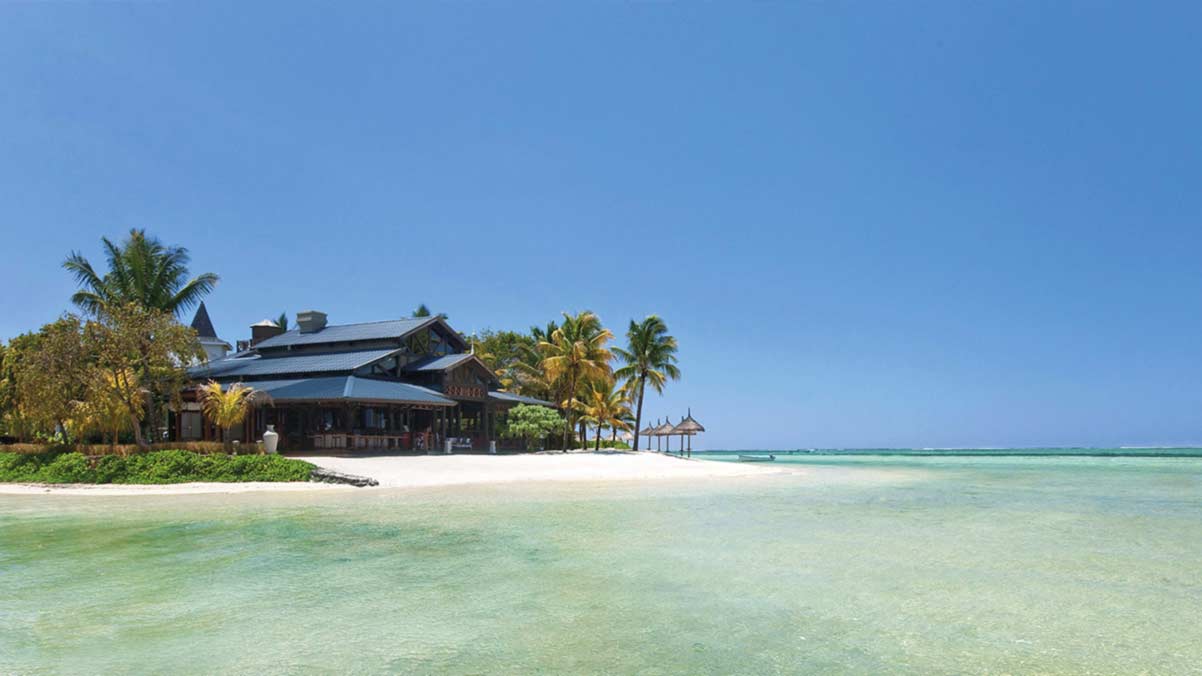
This is the first question I get asked almost every time: “Romuald, is life expensive in Mauritius?” And my answer is always the same: it entirely depends on the lifestyle you choose. You can live in Mauritius for much less than in France, or you can replicate the comfort of a major European city. So the real question is not “how much does it cost,” but “how do you want to live.”

Housing: the expense that makes all the difference
Housing is by far the most variable expense. For an annual rental, a two-room apartment in the North (Grand Baie, Pereybère) is around €500 to €700 per month; a villa with a pool quickly rises above €1,500. If you buy, you invest in freehold ownership, with a notary, exactly as in France, and you pay neither capital gains tax on resale nor inheritance tax.
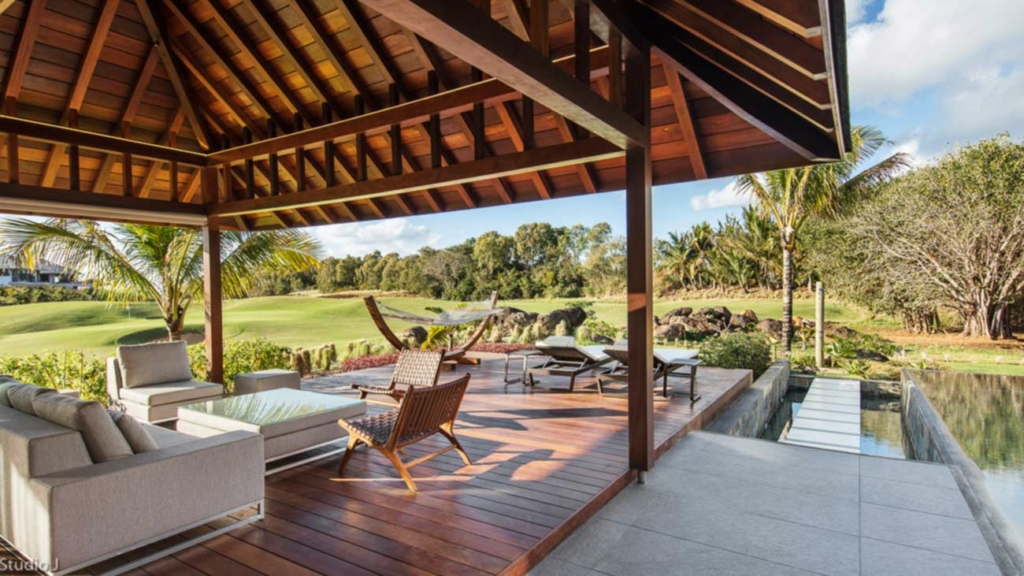
Eating and going out: Mauritian style or European style
At the market, fruits, vegetables, and fish are abundant and inexpensive. A gato piment or a dholl puri⟧ for a few rupees, a lunch in a tabagie for next to nothing: local cuisine is a daily pleasure that costs little. What weighs on the budget are imported products (cheeses, wines, European groceries) and alcohol, which are significantly more taxed. A couple cooking locally manages with around €400 to €550 in groceries per month.

Going out, moving, spending weekends
This is the expense everyone forgets to calculate, and it’s also the one that counters the most annoying misconception: “in Mauritius, after six months, you get bored.” I’ve heard it for fifteen years and have never seen anyone verify it.
The reality is that a good part of life happens outdoors and costs nothing. All beaches are public, without exception and without entrance fees. Walking in the gorges of Rivière Noire, swimming, fishing, watching the sun set over the sea at Rivière Noire, all of this is free. What you pay for are organized activities, and they remain significantly cheaper than in France.

Add to this what cannot be bought: the festivals of different communities, which punctuate the year and to which you are invited if you show interest, and a dense associative life. A couple who regularly goes out, does one organized activity per month, and dines out on weekends spends far less than an equivalent leisure budget in France.
One last point, valid for almost everything here: always ask for the resident rate. Natural sites, parks, and many hotels apply a different rate for those living on the island. It won’t be offered spontaneously, you have to ask for it and present your permit.
Health: high level, controlled cost
Sometimes I’m asked, “and if we get sick there?” I answer without hesitation: the private sector in Mauritius is excellent, and the island is becoming a top health destination. Clinics are modern, practitioners often trained abroad, and fees remain far lower than in Europe. Private health insurance costs from €60 to €200 per month depending on age and coverage.

Children’s schooling
For families, this is the expense to anticipate. International schools (French, English) offer an excellent level but represent €800 to €1,500 per month per child. It’s often one of the reasons that decide a family to settle: education, security, quality of life.
The budget at a glance
Here are realistic benchmarks, by profile, to help you project:
“But is Mauritius expensive… or to be avoided?”
You read everything and its opposite online. The truth, mine, after fifteen years here: Mauritius is not “expensive,” it is adjustable. With an equal quality of life (climate, safety, lagoon, mild taxation, quality schooling), the ratio is very favorable compared to the French Riviera where I come from. What costs is wanting to live exactly like in Europe, imported products included. Adopt a bit of the island’s rhythm, and paradise becomes quite affordable.
Indicative monthly budget in Mauritius (€)
| Item (per month) | Single | Couple | Family (2 children) |
|---|---|---|---|
| Housing (rental) | €500 to €700 | €700 to €1,000 | €1,200 to €1,800 |
| Food & groceries | €250 to €350 | €400 to €550 | €700 to €900 |
| Health (private insurance) | €60 to €100 | €120 to €200 | €250 to €400 |
| Transport (car) | €100 to €200 | €150 to €250 | €200 to €350 |
| Leisure & outings | €150 to €300 | €250 to €450 | €300 to €600 |
| International schools | not applicable | not applicable | €800 to €1,500/child |
| Indicative total | ≈ €1,100 to €1,650 | ≈ €1,650 to €2,450 | ≈ €3,500 to €5,500 |
Order of magnitude 2024 (North region, Grand Baie). To be refined according to your lifestyle, let's talk about it.
Receive our analyses on Mauritius
An email from time to time, written by the agency: market, taxation, life on site.
The cost of leisure activities, in order of magnitude
| Activity | Indicative budget | For whom |
|---|---|---|
| Meals in a tabagie or street food | 5 to 10 euros | Everyone, on a daily basis |
| Entrance to a natural site (Chamarel, Ebony Forest) | 12 to 15 euros | Families, all ages |
| Paddle rental for the day | 40 to 60 euros | Beginners, family outing |
| Guided hike to the waterfalls | 27 to 43 euros depending on age | Hikers, children from 10 years old |
| Zip line | 26 to 54 euros depending on the course | Teenagers and adults |
| Diving baptism | about 65 euros | Curious, all levels |
| Kitesurfing lessons | 65 to 100 euros | Athletes, from May to October |
| Half-day canyoning | about 58 euros | Good walkers |
Orders of magnitude recorded at the editorial office and given outside promotions. Resident rates are often lower than visitor rates: ask for them, they will not be offered to you spontaneously.
Your most frequently asked questions
Cost of living in Mauritius: your questions
Is life expensive in Mauritius?
It all depends on your lifestyle. In a Mauritian way (local markets, seasonal products), you can live for much less than in France. In a European way (imported products, restaurants, international schools), the budget is closer to that of a large French city, but with the lagoon at the end of the street and a light tax system.
What salary is needed to live well in Mauritius?
For a couple without children, a budget of €1,700 to €2,500 per month allows for comfortable living. A single person manages around €1,100 to €1,650. Many expatriates live off rental income, a French pension, or remote work.
What budget should be planned per month?
Consider housing, food, private health insurance, transportation, and leisure. The table above provides rough estimates by profile. The most variable expense remains housing: between a long-term rental and a full ownership purchase, the gap is considerable.
Is healthcare expensive in Mauritius?
The Mauritian private sector is of very good quality: the island is becoming a top health destination. A consultation or a private clinic is much more affordable than in Europe, and private health insurance costs between €60 and €200 per month depending on coverage and age.
Where to exchange euros for Mauritian rupees?
At banks and authorized exchange offices (airport, Grand Baie, Port-Louis). The rate is around €1 ≈ 48 MUR (variable). A no-fee bank card abroad is often the simplest solution for everyday transactions.
Ultimately, the cost of living should not be your first criterion, but the last: once you experience the quality of life here, you quickly put things into perspective. As I like to say, expat one day, expat always. If you want to quantify your project precisely (housing, taxation, return), let’s simply talk about it.
Stay informed about Mauritius
Our market analyses, tax developments, and practical advice, directly by email.